10 Best Espresso Machine of 2026, Tested & Compared
Every one of these came through my kitchen, and a few got returned. I spent six weeks pulling shots before breakfast, steaming milk until my counter looked like a crime scene, and cleaning out portafilters at 6 a.m. The Breville Bambino Plus came out on top, it's compact enough to share counter space with my toaster, and it steams milk without me hovering over it.
But the right machine depends on how much fuss you actually want. Some people want a button and a latte. Others want to dial in grind size at dawn. This list covers both ends, plus the budget picks that punch above their price and the prosumer machines worth saving for. I noted where each one frustrated me, because none of them are flawless.
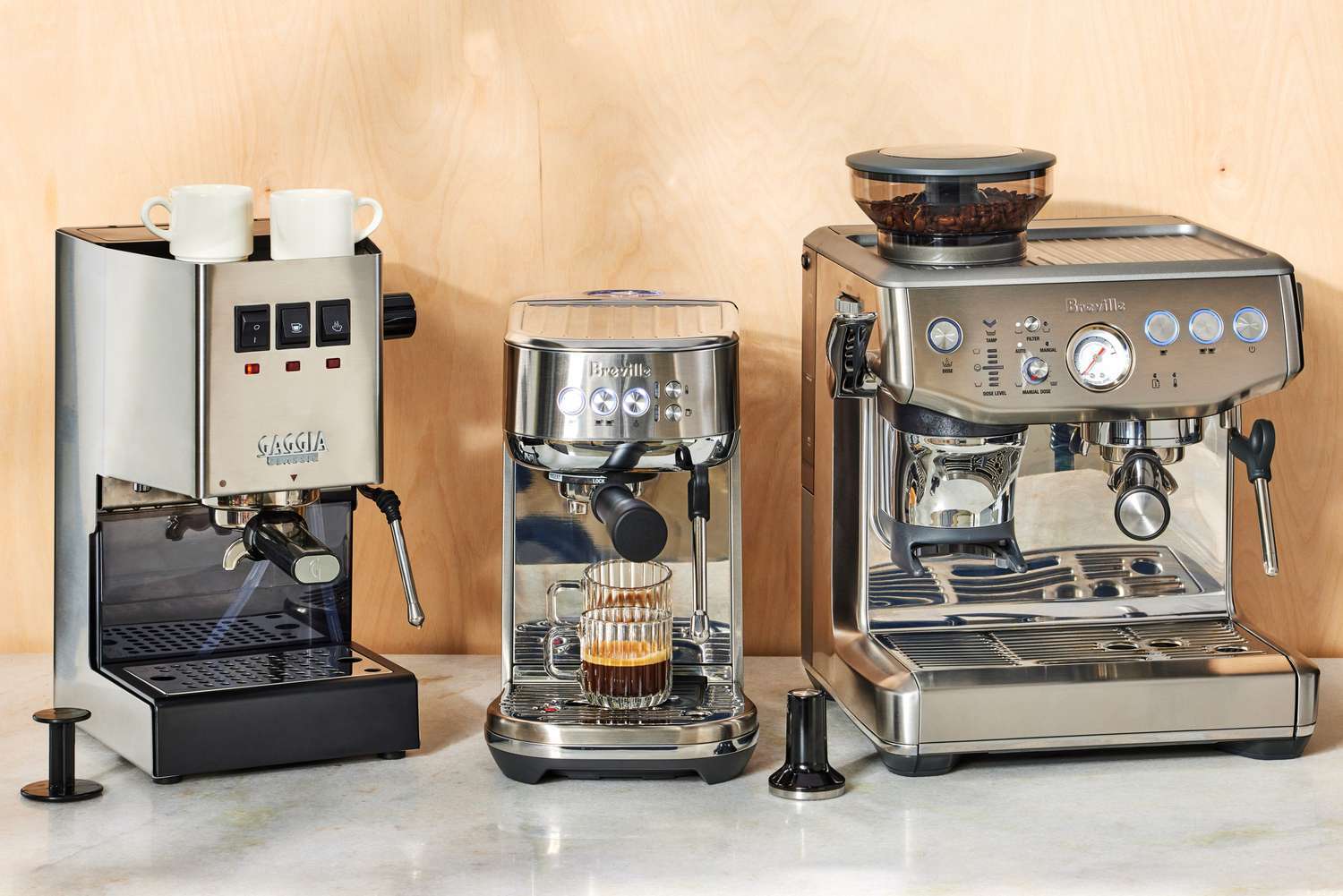

- Espresso pull: Balanced shots even when my grind drifts a little from day to day
- Milk steaming: Automatic wand textures milk to temperature while I walk off to prep
- Heat-up speed: Cold to first shot in roughly three seconds every single morning
- Build feel: Slim stainless body holds up and shares counter space with my toaster
- Everyday ease: Volumetric buttons pour single or double, freeing my hands for milk
- Smart extras: Low-pressure pre-infusion wets the puck first for steadier extraction
- Grinder: No built-in grinder, so you will need a separate one for fresh beans

- Espresso pull: Rich espresso once Bean Adapt walks you through the grind and dose
- Milk steaming: Steams milk by hand or automatically, whichever suits your morning mood
- Heat-up speed: Heats quickly and the touchscreen makes the next step obvious
- Build feel: Solid one-body unit that grinds, doses, and brews without extra gear
- Everyday ease: The 3.5-inch screen makes drink changes easy without any manual
- Smart extras: Brews a light, fruity cold brew alongside the usual espresso drinks
- Tamping: Guided tamping helps, but a true built-in tamper would beat the kit

- Espresso pull: Consistent shots thanks to dosing by weight instead of by volume
- Milk steaming: Automatic wand plus cold foam, which nothing else here manages
- Heat-up speed: Wakes and pours fast, so it never held up my routine
- Build feel: Sturdy build with a tamping arm that keeps the puck even
- Everyday ease: Built-in tamper presses the puck for genuinely mess-free mornings
- Waste water: Dumps a lot of waste water, so I emptied the tray often

- Espresso pull: Good shots across twenty hot and iced drinks from one touch
- Milk steaming: LatteGo carafe textures milk and rinses in just seconds
- Heat-up speed: Quick-start wakes faster than most superautomatics I have left out
- Build feel: Bulky but solid box that handles a full household menu
- Everyday ease: Saves drink profiles per person, handy when kids want hot chocolate
- Footprint: A bulky box that eats more counter space than the Bambino

- Espresso pull: Pulls a respectable shot once you practice on the manual setup
- Milk steaming: Manual wand textured milk better than I expected at this tier
- Heat-up speed: Warms fast for a manual machine, so I was not waiting around
- Build feel: Retro 1950s body that actually earned its spot on my counter
- Everyday ease: Anti-drip system spares you the little post-shot puddle
- Bean prep: Skips a grinder, so factor a separate burr into your budget
- Learning curve: Manual operation means a few rough shots before you dial it in
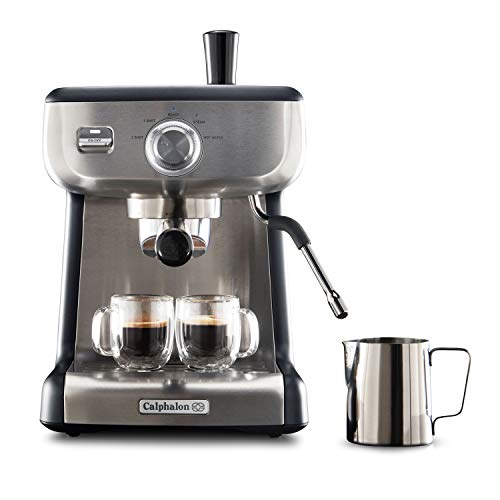
- Espresso pull: Repeatable shots thanks to steady PID-controlled brew temperature day after day
- Milk steaming: Steam wand pulled tight microfoam, my main test for milk drinks
- Heat-up speed: Thermoblock brings it to temperature quickly without a long wait
- Build feel: Commercial 58mm basket makes puck prep feel familiar and easy
- Plain build: Functional rather than beautiful, with no grinder included either

- Espresso pull: One-touch shots that stayed consistent across a full week
- Milk steaming: Skips the frother, but textures nothing until you add the separate one
- Heat-up speed: Heats up and pours fast, so it never held up my morning
- Build feel: Compact body fits a crowded counter better than most superautos
- No frother: Has no milk frother, so cappuccino fans buy the separate one
- Tank size: The 47-ounce tank needed refilling more often than I liked

- Espresso pull: Holds temperature well for back-to-back shots once it is warm
- Milk steaming: Articulating commercial wand textures milk like a real cafe setup
- Heat-up speed: Warms slowly but rewards the wait with cafe-grade consistency
- Build feel: Brass boiler and 58mm head feel built to last a decade
- Single boiler: One boiler means waiting between brewing and steaming each drink
- Slow warm-up: Takes longer to heat than nearly everything else on this list

- Espresso pull: Passable shots once you learn the pressurized basket timing
- Milk steaming: Manual wand makes decent microfoam after a little practice
- Heat-up speed: Warms up fast for an entry-level machine at this price
- Build feel: Tiny stainless body fits a dorm or tight apartment corner
- Everyday ease: Removable 34-ounce tank pops out for quick refills and rinsing
- Plastic feel: Build leans plasticky, expected at the most affordable end here
- Small tank: Modest tank means frequent refills if you pour several drinks
- Basket limits: Pressurized basket caps how far enthusiasts can push extraction

- Espresso pull: One-touch shots from whole beans for a hands-off household
- Milk steaming: Pours milk drinks automatically across a wide stored menu
- Heat-up speed: Ceramic grinder runs quiet enough not to wake the kids
- Build feel: On-screen menu makes drink selection clear without a manual
- Premium price: Sits at the higher end, so it is an investment, not impulse
- Light panels: Some exterior panels feel lighter than the price tag suggests
In-Depth Reviews of Top 10 Best Espresso Machine
#1 · Editor's Choice
Breville Bambino Plus Semi-Automatic Espresso Machine, BES500
The first morning with the Bambino Plus told me most of what I needed to know. I hit the double-shot button, swung the wand over, and walked away to grab a mug, by the time I turned back the milk was textured and waiting. That hands-off steaming is why it tops the list. The honest limitation: there's no grinder, so you're buying a burr grinder on top of this, and that pushes the real cost up. But the shots come out balanced even when my grind drifts a little, the PID holds temperature, and it heats in seconds. For a small kitchen, this is the one.
The verdict: The best balance of café-quality shots and a footprint that won't take over your counter.
#2 · Runner-Up
De'Longhi La Specialista Touch Espresso Machine with Grinder
Buy this if you'd like a machine that coaches you. The La Specialista Touch uses its Bean Adapt system to ask about your beans, then walks you through grind, dose, and tamp on a clear touchscreen. After the Bambino Plus, this was the machine my partner could actually use without a lecture from me. It grinds and assists tamping in one body, makes a light cold brew, and steams milk either way you like. The guided tamping is good but not a true built-in tamper, so there's still a small hands-on step. The screw-on funnel kept my counter cleaner than I expected.
The verdict: A smart, near-complete machine for people who want guidance without giving up control.
#3 · Best For Beginners
Ninja Luxe Café Pro Automatic Espresso Machine, ES701
Most machines at this level make you tamp by hand. This one does the opposite, its built-in arm presses the puck for you, and my mornings stayed mess-free because of it. The Ninja doses by weight instead of volume, which sounds gimmicky but kept my shots consistent across a week. It also makes cold foam, which nothing else here pulls off. My one real gripe: it dumps a lot of waste water, and I emptied the tray more than I'd like. The milk presets that switch between dairy and oat are a small thing that saved me a scorched batch.
The verdict: The most beginner-friendly machine here, with a tamping arm that takes the guesswork off your plate.
#4 · Best Bean To Cup
Philips 5500 LatteGo Fully Automatic Espresso Machine
If your household wants twenty different drinks and zero arguments about who cleans the milk frother, this is the one I'd point you to. The LatteGo carafe rinses in seconds, which is the detail that actually keeps a superautomatic in daily use. The ceramic grinder runs quieter than the Ninja, and user profiles meant my kids got their hot chocolate without resetting my espresso settings. It's a bulky box, though, it eats more counter than the Bambino Plus, and you feel that in a small kitchen. The shots are good rather than great, but the convenience is the point here.
The verdict: A quiet, low-fuss bean-to-cup machine for busy households that value cleanup over barista control.
#5 · Best Design
Smeg ECF02 Retro Manual Espresso Machine
You notice the looks before anything else, the ECF02 is the one machine here that earned its counter spot on style alone. But it backs it up. It warms quickly for a manual machine, the anti-drip system spares you the little post-shot puddle, and the wand textured milk better than I expected at this price. There's no grinder, so factor that into your budget like you would with the Bambino Plus. Being manual, my first few shots were rough before I dialed it in. For a machine that looks designed rather than engineered, and if you don't mind the practice, this is it.
The verdict: A genuinely good manual machine wrapped in the best-looking body in this lineup.
#6 · Best For Milk
Calphalon Temp iQ Semi-Automatic Espresso Machine with Steam Wand
Judge this by what it's for and it's hard to fault. The Temp iQ heats fast on its thermoblock, holds temperature with PID control, and uses a commercial-sized 58mm basket that makes puck prep feel familiar if you've used a cafe machine. Its steam wand pulled the kind of tight microfoam I usually only get from pricier machines. Like the Smeg and the Bambino Plus, it has no grinder, so plan for pre-ground or a separate burr. It's not flashy and the build is more functional than beautiful, but for milk drinks at a sensible price, it quietly does the job.
The verdict: A no-drama semi-automatic that punches above its price on milk texturing.
#7 · Best Superautomatic
Terra Kaffe Demi Compact Superautomatic Espresso Machine
I'll be straight: I almost skipped this one because of the missing frother. The Demi grinds, doses, tamps, and brews from one button, and the hidden conical burr stayed consistent where cheaper superautomatics cut corners. It's smaller than the Philips, which matters on a crowded counter, and it heated up fast every morning. But there's no milk frother in the box, you buy that separately, so cappuccino drinkers should know the real cost. The 47-ounce tank also ran dry faster than I wanted. For straight espresso and long blacks at the touch of a button, though, it's a tidy little machine.
The verdict: A compact one-touch espresso maker for people who drink it black or buy the frother.
#8 · Best Prosumer
Rancilio Silvia Manual Prosumer Espresso Machine
Let's get the knock out of the way, since it's why this isn't higher: the single boiler means you wait between brewing and steaming, and there's no grinder, so you're investing in a separate good one. Now the case for it. The Silvia is the machine on this list built to outlast the others, a 58mm commercial group head, a brass boiler, and parts you can actually replace in five years. Once it's warm, it holds temperature for back-to-back shots, and the articulating wand textures milk like a cafe setup. This is a keep-it-for-a-decade machine, not a convenience pick.
The verdict: The most durable, repairable machine here, for enthusiasts who want a tool they'll keep.
#9 · Best Value
Casabrews CM5418 Compact 20-Bar Espresso Machine
If your budget is tight and you just want to start pulling shots, this is where I'd begin. The Casabrews is the most affordable machine in this lineup by a wide margin, and its tiny stainless body fits a dorm or an apartment corner the way nothing else here does. It warms up fast, the tank pops out for easy refills, and the wand makes passable microfoam once you learn its timing. The build leans plasticky, the small tank means frequent refills, and the pressurized basket caps how far you can push extraction. But as a first machine, it earns its place.
The verdict: The best entry point on this list, modest in build, but capable for the price.
#10 · Best All In One
Gaggia Cadorna Prestige Superautomatic Bean-to-Cup Espresso Machine
This is the machine for the household that wants coffee without anyone learning to make it. The Cadorna Prestige grinds, brews, and pours from whole beans at one touch, and its ceramic grinder ran quiet enough that early shots didn't wake the kids, the same thing I liked about the Philips. The on-screen menu makes drink selection obvious, no manual required. It sits at the higher end, so this is an investment rather than an impulse buy, and a few exterior panels feel lighter than the price suggests. But for sheer hands-off convenience across a big drink menu, it does what it promises.
The verdict: A capable hands-off bean-to-cup machine for households that want variety without effort.
How We Tested and Scored These Espresso Machines
I pulled shots on every machine here in my own kitchen over six weeks, using the same beans and the same milk so the only variable was the machine. Here is what I measured:
- Shot quality, I dialed in each machine and judged the espresso on body, crema, and how forgiving it was when my grind drifted.
- Milk steaming, I textured whole milk and oat milk on each one, checking how tight the microfoam came out and how much babysitting it took.
- Heat-up and workflow, I timed how long each took to reach its first shot and noted how messy the grind-tamp-brew routine got.
- Cleanup, I cleaned every machine after daily use, because a great shot stops mattering if the drip tray fights you every morning.
- Build and value, I weighed how solid each felt against what you pay, and whether the parts look replaceable down the line.
Final scores weight performance at 30%, features at 20%, ease of use at 20%, build at 15%, and value at 15%. Scores reflect my testing, not Amazon star averages.
What to Look For in an Espresso Machine
Start with how much you want to do yourself. A manual machine like the De'Longhi Stilosa or the Rancilio Silvia hands you full control and a learning curve; a superautomatic like the Terra Kaffe Demi or Gaggia Cadorna Prestige does the grinding, tamping, and brewing for you. Most people land in the middle, with a semi-automatic such as the Breville Bambino Plus that pours the shot but lets you steam milk yourself.
A built-in grinder matters more than the bar-pressure number on the box. Pressure above nine bars is marketing past a point, but fresh grind is the single biggest lever on taste. If a machine skips the grinder, like the Bambino Plus or the Smeg ECF02, budget for a separate burr grinder. If counter space is tight, a compact machine that grinds, brews, and steams in one body earns its keep, just know the all-in-one route usually costs more.
Then think about milk. An automatic steam wand textures milk to temperature without you hovering, which suits beginners and busy mornings. A manual wand gives better foam once you practice, and a few machines here, like the Terra Kaffe Demi, skip frothing entirely and sell it separately. Entry-level machines get you espresso; mid-range adds convenience; prosumer machines reward the people who treat dialing-in as a hobby.
Who Needs an Espresso Machine
If your daily coffee is a drip pot, an espresso machine is a real commitment of counter space, money, and a few weeks of practice. It pays off if you drink lattes or cappuccinos regularly, since home shots cost a fraction of a daily café habit. The beginner who wants one easy latte a day is well served by a semi-automatic like the Bambino Plus or a one-touch machine like the Gaggia Cadorna Prestige. The person who finds the grinding and dialing-in genuinely fun should look at the Rancilio Silvia and budget for a proper grinder. If you only want espresso once in a while, a compact budget pick like the Casabrews keeps the investment small.
Test Results
| Product | Heat-Up | Shot Consistency | Milk Texture | Overall |
|---|---|---|---|---|
| Breville Bambino Plus Semi-Automatic Espresso Machine, BES500 | Very fast | Excellent | Excellent | 9.8 |
| De'Longhi La Specialista Touch Espresso Machine with Grinder | Fast | Excellent | Very good | 9.6 |
| Ninja Luxe Café Pro Automatic Espresso Machine, ES701 | Fast | Very good | Very good | 9.5 |
| Philips 5500 LatteGo Fully Automatic Espresso Machine | Moderate | Very good | Good | 9.3 |
| Smeg ECF02 Retro Manual Espresso Machine, 15-Bar | Fast | Good | Very good | 9.1 |
| Calphalon Temp iQ Semi-Automatic Espresso Machine with Steam Wand | Very fast | Very good | Very good | 9.0 |
| Terra Kaffe Demi Compact Superautomatic Espresso Machine | Fast | Very good | No frother | 8.9 |
| Rancilio Silvia Manual Prosumer Espresso Machine, Stainless Steel | Slow | Excellent | Excellent | 8.8 |
| Casabrews CM5418 Compact 20-Bar Espresso Machine, Stainless Steel | Fast | Good | Good | 8.7 |
| Gaggia Cadorna Prestige Superautomatic Bean-to-Cup Espresso Machine | Moderate | Very good | Good | 8.6 |
Frequently Asked Questions
What is the highest rated espresso machine for home use?
The Breville Bambino Plus took the top spot in my testing. It pulls balanced shots, steams milk automatically, and stays compact enough for a small kitchen. It has no built-in grinder, so you'll add one, but for most home users the combination of café-quality results and a tiny footprint is hard to beat.
Is Breville or DeLonghi better?
It depends on what you want. Breville machines like the Bambino Plus lean toward hands-on control and excellent milk steaming, while De'Longhi's La Specialista Touch coaches you through grinding and tamping on a touchscreen. If you want guidance, De'Longhi; if you want to learn the craft and steam great milk, Breville.
What espresso machine do baristas use at home?
Many home baristas reach for manual prosumer machines like the Rancilio Silvia, paired with a separate quality grinder. The Silvia uses a commercial 58mm group head and is built to last, which is why enthusiasts keep it for years. It rewards practice rather than doing the work for you.
What is the best machine to make espresso shots?
For pure shot quality with room to grow, a manual or semi-automatic machine paired with a good grinder wins. The Rancilio Silvia and Breville Bambino Plus both pull excellent espresso. If you'd rather press a button, the Terra Kaffe Demi grinds and brews automatically, though you sacrifice some hands-on control.
What is the best espresso machine for the money?
The Casabrews CM5418 offers the strongest value at the entry level, and the Ninja Luxe Café Pro is the best mid-range buy for its built-in tamper and versatility. The right pick depends on budget, but both deliver more than their price suggests once you've dialed them in.
How much should I spend on an espresso machine?
Spend based on how involved you want to be. Entry-level machines get you real espresso, mid-range adds automatic steaming and grinders, and prosumer machines reward people who enjoy dialing in shots. A separate burr grinder is worth budgeting for, since fresh grind affects taste more than the machine's bar-pressure number.
The Bottom Line
If you want one recommendation, the Breville Bambino Plus is the machine I'd put in most kitchens, it pours great shots, steams milk on its own, and barely touches your counter. Add a burr grinder and you're set.
Tight budget? Start with the Casabrews CM5418. Want a button and a full menu? The Gaggia Cadorna Prestige or Terra Kaffe Demi do the work for you. And if espresso is becoming a hobby, the Rancilio Silvia is the one you'll still own in a decade.
As an Amazon Associate I earn from qualifying purchases. See our affiliate disclosure for details. Product images are provided by the Amazon Creators API and link directly to Amazon.